
Shower and standby assist at home in Halifax and Nova Scotia
A vetted caregiver helps your loved one wash safely, with dignity and privacy, or stays within arm’s reach while they do it themselves. Book online and have coverage confirmed for your address.
Trusted by families across Halifax Regional Municipality. Every caregiver completes our vetting and safety process before a first visit.

What shower assist and standby assist mean
Shower assist is hands-on help with bathing, such as washing hard-to-reach areas, steadying balance and drying off. Standby assist means a trained caregiver stays close and ready while the person bathes independently. Both reduce the risk of a fall in the bathroom, where wet surfaces, tight spaces and hard fixtures meet. Both are private, non-clinical home support activities.
Standby assist
The person washes on their own. The caregiver stays within reach, checks the setup, and steps in only when needed.
- Good for people who are steady but worried about falling
- Helps rebuild confidence after a fall or hospital stay
Hands-on shower assist
The caregiver helps with transfers, washing the back, feet and other hard-to-reach areas, and drying.
- Good for limited reach, weakness or balance changes
- The person still does as much as they comfortably can
Bathing with dressing and grooming
Help through the full routine: undressing, washing, drying, skin care, dressing and a tidy bathroom afterward when included in the booking.
- Good for families who want the whole routine covered
Why the bathroom needs extra attention
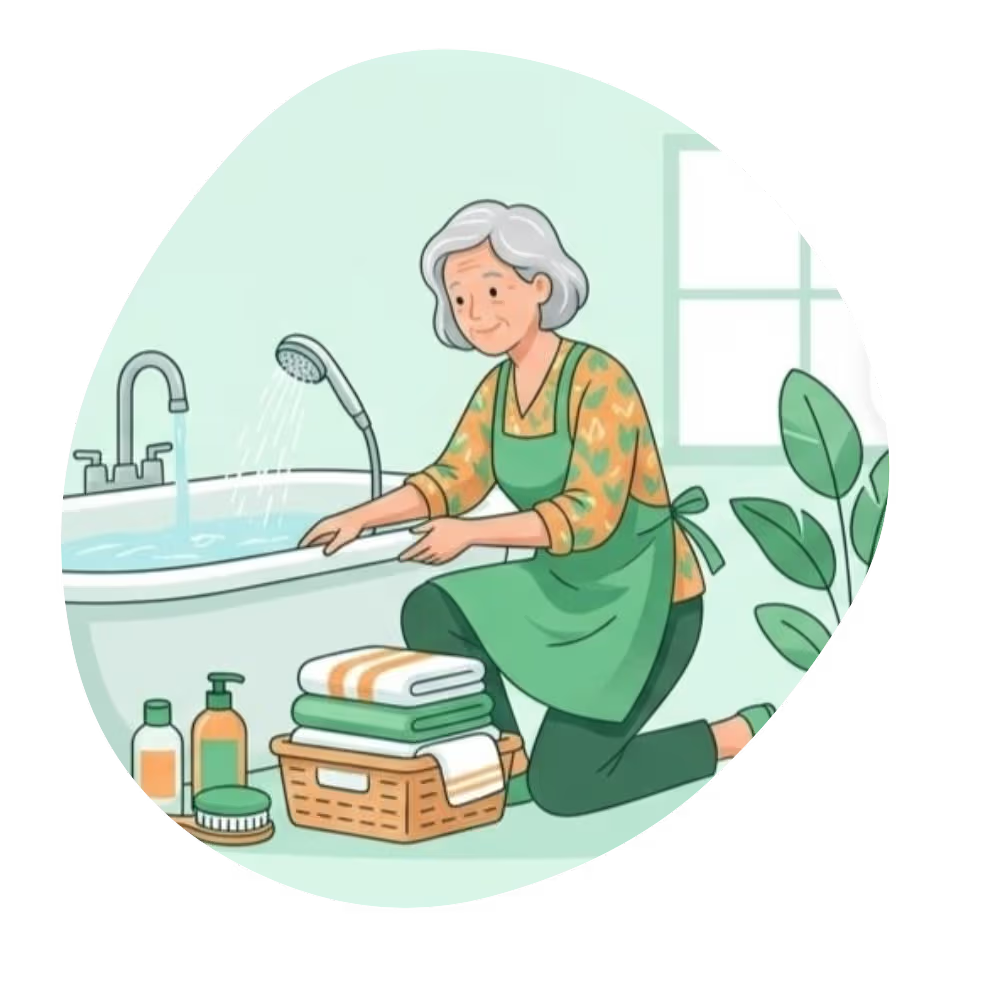
The bathroom combines slippery surfaces, hard edges, steam and frequent changes of position such as stepping over a tub, sitting, standing and turning. For an older adult, a small loss of balance, strength or vision can turn a daily routine into a real risk.
Many families notice the warning signs first: skipped showers, a bathroom the person avoids, or a loved one who says they are fine while holding the wall. Bathing is also very personal, so the right helper matters as much as the right technique.
- Spouses and adult children often feel unsure or uncomfortable helping with bathing themselves.
- Regular, safe bathing supports hygiene, skin health, comfort and self-respect.
- Public home care hours often do not cover every bath day, so many families add private support.
What families gain from supported bathing
Good bathing support protects the person and the family at the same time.
Fewer fall risks
A second set of trained eyes and hands during the highest-risk moments: stepping in, turning and stepping out.
Independence protected
Support is matched to the need. People keep doing what they can, which helps preserve strength and confidence.
Dignity and comfort
Towels, draping and a calm pace keep the experience private and relaxed.
Healthier skin
Thorough washing and drying, and a chance to notice redness, dryness or sore spots early so the family can share them with a doctor or nurse.
Relief for family
Family members can stay in the role of son, daughter or spouse, with less worry about a fall on their watch.
A reliable routine
Consistent visit times help bathing happen when the person feels best, and are easy to adjust as needs change.
How a shower assist visit works
Caregivers follow a calm, predictable sequence so the person always knows what happens next.
1. Prepare the space
Clear the floor, lay out towels, clean clothes and toiletries within reach, and place the shower chair and non-slip mat. Warm the room first so the person is not chilled.
2. Set the water safely
The caregiver tests the water on the inner wrist, keeps it comfortably warm rather than hot, and lets the person confirm the temperature.
3. Transfer with care
The person steps in or sits on a bath seat with the caregiver beside them. Cues are short and clear, and nobody rushes.
4. Wash with privacy
The person washes what they can. The caregiver helps with the back, legs and feet, keeps the person covered where possible, and explains each step.
5. Dry, dress and settle
The person is wrapped in a warm towel, dried thoroughly including skin folds, helped into clothes while seated, and settled before the caregiver tidies up.

Good technique in brief: Caregivers are trained to keep one hand on the person during transfers, work at their pace, speak before touching, and keep the floor dry. For standby assist, the caregiver stays within arm’s reach and out of the way until help is needed.
Bathroom aids that make showering safer
The right equipment lowers risk and reduces how much physical help is needed. Caregivers work with the aids already in the home and can point out gaps.
Shower chair or bath bench
Lets the person sit while washing. A transfer bench helps with stepping over a tub wall.
Grab bars
Fixed to wall studs near the toilet, tub and shower. Towel bars are not designed to carry body weight.
Handheld shower head
Directs water where it is needed while seated, so there is no reaching or turning.
Non-slip mats and strips
Inside the tub or shower and on the bathroom floor, with a dry absorbent mat outside.
Raised toilet seat
Makes sitting and standing easier, especially after bathing when energy is lower.
Long-handled sponge and good lighting
Extends reach to feet and back, while bright, glare-free lighting helps people see edges and wet spots.
Bathroom changes work best when matched to the individual. An occupational therapist can assess the home and recommend equipment. Our caregivers provide non-clinical support and do not replace that assessment.
How safety is built into every bathing visit
Our caregivers are verified through our caregiver vetting and safety process which includes a Criminal Record Check, a Vulnerable Sector Check, a current first aid certificate and a signed code of conduct.
What caregivers check and do each visit
These practices apply to hands-on and standby visits alike.
Check the setup
Dry floor, working lighting, stable seat, supplies within reach and a safe water temperature before the person steps in.
Stay close and speak up
Stay within reach, never leave the person alone in the shower during a hands-on visit, and stop at once if they feel dizzy, short of breath or unwell.
Respond and report
Call 911 in an emergency. Inform the family truthfully. Concerns can be reported in The CareO’Clock Home Care Portal and are linked to the visit for review by our team.
Scope of care: CareO’Clock provides private, non-clinical support. Caregivers do not provide nursing care, medical treatment or lifting beyond their training. Share any medical conditions, mobility limits or doctor’s instructions when booking so the visit is planned around them.
Post-shower and bathroom care
The risk does not end when the water stops. Wet skin, a damp floor and low energy after bathing are common causes of slips, so the routine finishes with care for the person and the room.
- Dry thoroughly, especially skin folds, between toes and under arms.
- Moisturize and check skin for redness, sores or changes to share with the family or care team.
- Dress while seated, then offer water and a short rest before moving on.
- Wipe wet surfaces and floors so the next trip to the bathroom is safe.
- Gather laundry and tidy up the bathroom.
Set up the bathroom once, benefit every day
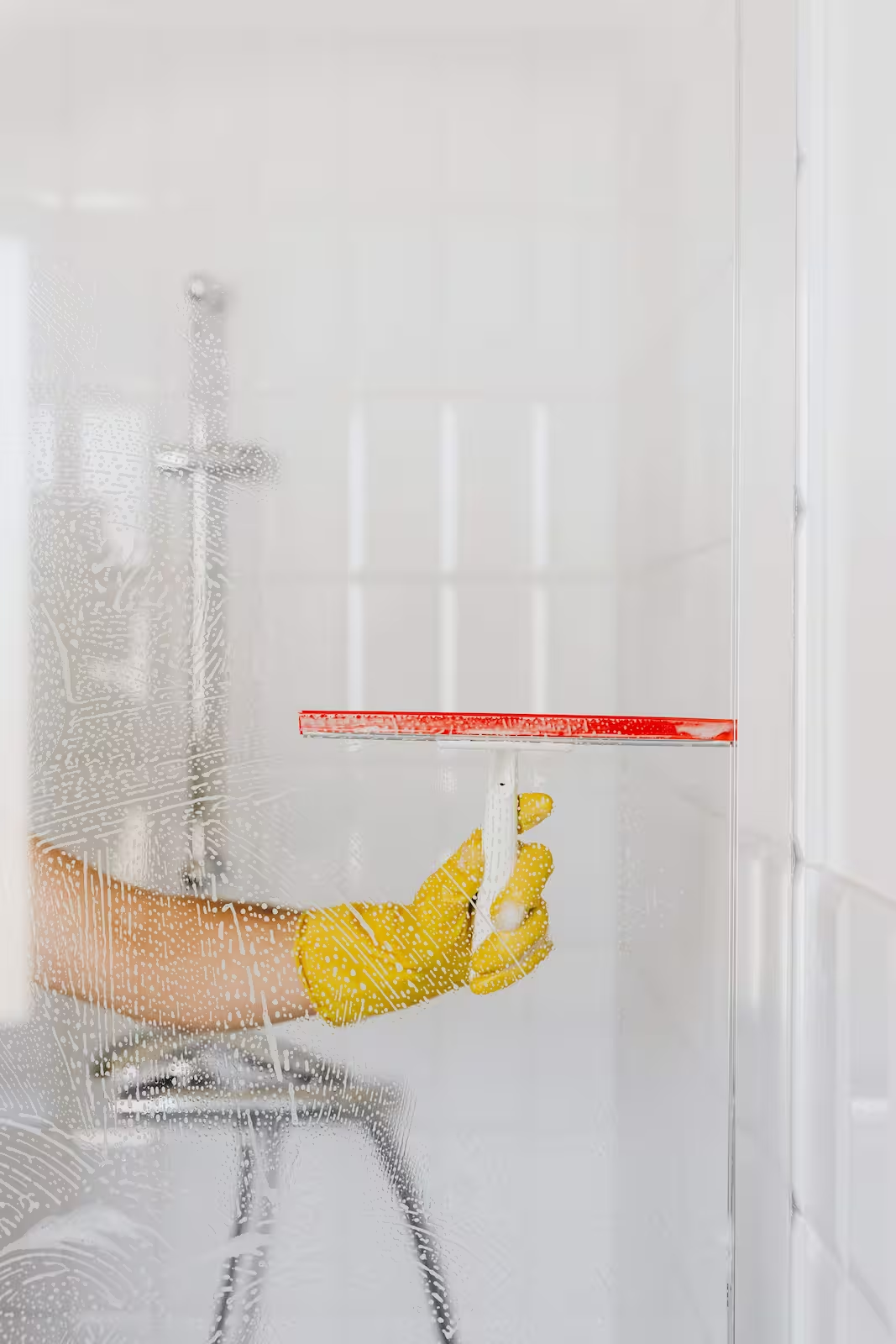
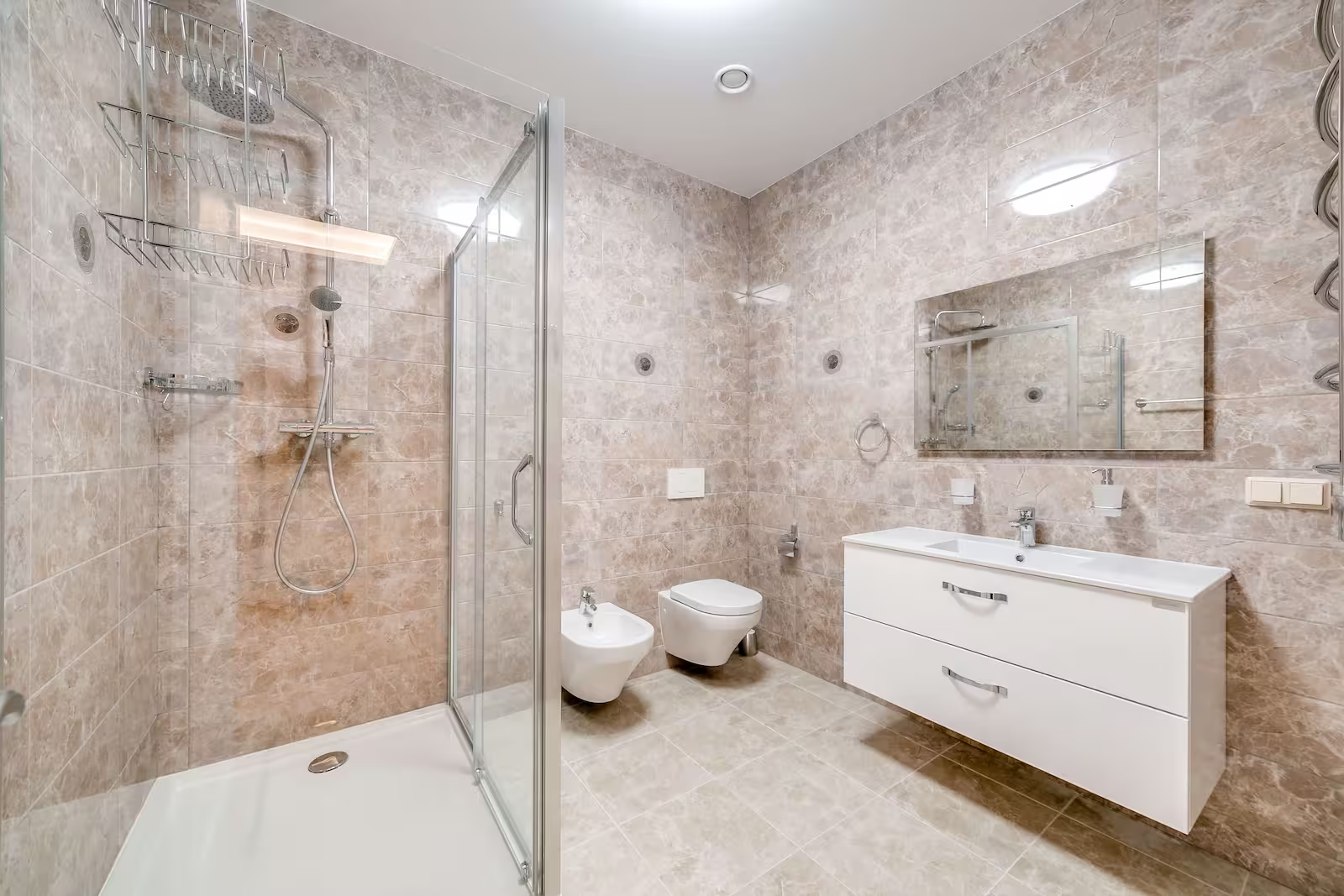
Keep a stable chair, towels and a robe within reach, nightlights on the route from bedroom to bathroom, and floors clear of cords and rugs. Small changes like these make independent bathing safer between visits.
Looking for more than bathing? Explore our full range of home care services, including sitters and care companions and hospital discharge home support.
When shower and standby assist can help most
Seniors with balance concerns
Standby assist gives reassurance while keeping independence.
People recovering from surgery or a fall
Temporary hands-on help while strength returns, including after a hospital stay.
Families supporting dementia care
Patient, consistent help with a familiar routine that reduces stress at bath time.
Adult children arranging care from afar
Book and follow visits online from anywhere, with updates in your account.
Serving communities across the Halifax Regional Municipality
From checking coverage to a confirmed visit
Online booking with live visit visibility means no phone tag. Current rates for each service are on our services page.
Check coverage
Enter the address where care is needed.
Create an account
Set up your free client account and care profile.
Choose your service
Select shower or standby assist, pick a date and time, and add care notes.
Follow the visit
Receive visit updates and manage future bookings online.
Shower and standby assist: questions families ask
What is shower assist?
Shower assist is hands-on help with bathing, including steadying balance during transfers, washing hard-to-reach areas, drying and dressing. The person does as much as they comfortably can.
What is standby assist?
Standby assist means a caregiver stays within reach while the person bathes independently. The caregiver checks the setup, watches for problems and helps only when needed.
How do I know which level my loved one needs?
Standby assist suits people who are steady but anxious about falling. Hands-on assist suits people with limited reach, weakness or balance changes. Describe the situation in your booking notes, and a doctor or occupational therapist can advise on specific medical needs.
Will bathing be private and respectful?
Yes. Caregivers use towels and draping, explain each step before it happens, and follow the person’s preferences and pace. All caregivers accept our code of conduct before any visit.
Are CareO’Clock caregivers screened?
Yes. Every caregiver completes identity and work eligibility verification, a Criminal Record Check, a Vulnerable Sector Check, a current first aid certificate and credential review. Read the full vetting process.
Do I need special equipment at home?
Not always, although a shower chair, grab bars, a handheld shower head and non-slip mats make bathing much safer. Caregivers work with what is in the home and can flag gaps. An occupational therapist can recommend equipment for specific needs.
Does shower assist replace public home care?
No. CareO’Clock provides private, non-clinical support that can add to existing public home care hours. It does not replace nursing, emergency services or public home care case management.
How do I book shower or standby assist in Halifax?
Check coverage and create a free client account at app.careoclock.ca, choose the service, pick a date and time, and confirm. You can also call 902-802-3715.
Safe, dignified bathing at home
Give your loved one a trusted caregiver for every shower, and give your family peace of mind. Check coverage and book online in minutes.
Private, non-clinical home support. Availability depends on location, service needs and caregiver availability. Contact us